Choosing the Right Welding Technique for Your Industrial Needs Dec 24, 2025
Welding might seem straightforward, but various factors such as materials, design, and environment dictate the suitable approach. One of the most common techniques used in industrial welding is Shielded Metal Arc Welding (SMAW), often known as stick welding. This method is versatile and cost-effective, suitable for heavy-duty applications, and works well on thicker materials such as steel and iron. Its flexibility makes it an excellent choice for outdoor or onsite welding due to its tolerance to wind and dirt, which can otherwise hinder weld quality.
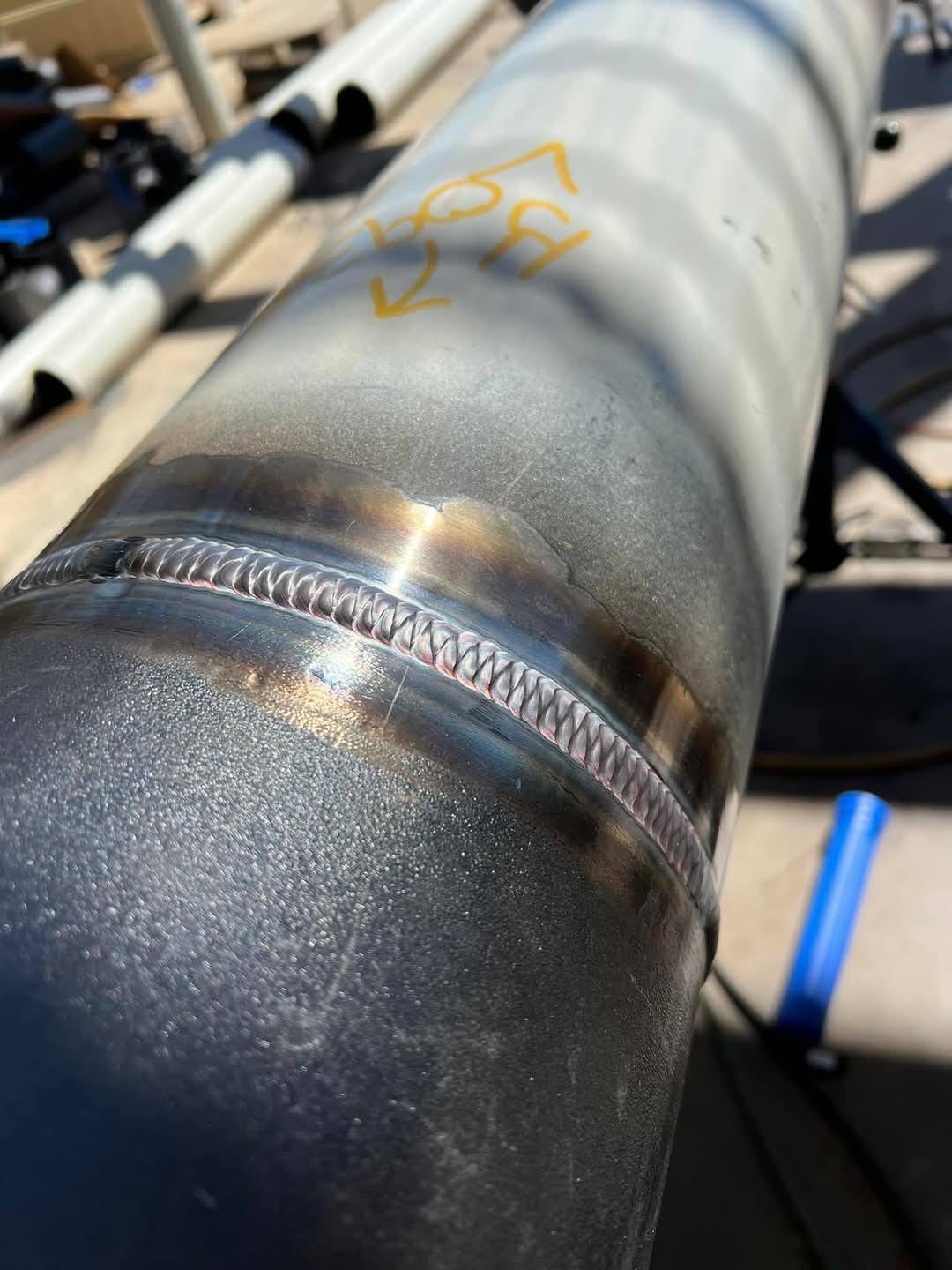
For more precision or when working with thinner materials, Gas Tungsten Arc Welding (GTAW), also referred to as TIG welding, is preferred. This technique is ideal for delicate projects that require a high degree of accuracy, such as those involving aluminum or stainless steel. Although TIG welding requires more time and skill, the clean and precise welds it produces justify its use for intricate fabrication projects.
Gas Metal Arc Welding (GMAW), commonly known as MIG welding, is another popular technique well-suited for large production jobs. Known for its speed and ease of automation, MIG welding offers efficiency that is hard to beat when working on a repetitive production line. This technique uses a continuous wire feed, making it highly productive and less susceptible to weld defects, thus an ideal choice for large-scale industrial applications.
Selecting the appropriate welding process also hinges on the project's environment. For instance, Flux-Cored Arc Welding (FCAW) is often used in construction environments due to its adaptability in various settings, including outdoor jobs where wind might disrupt gas-shielded welding methods. This technique is especially beneficial for its high deposition rate and capability to handle thicker positions efficiently, providing strong welds that withstand structural stresses.
Apart from the conditions, the choice of welding method can influence the overall cost of a project. Consider the initial equipment investment, the cost of consumables, and the skill level required for the operation. For example, while TIG welding offers superior quality, the time and expertise required may make it less economical for high-volume production when compared to the faster MIG welding.
In conclusion, each welding technique offers unique advantages tailored to a project's specific requirements. Whether your industrial needs demand the rugged durability of stick welding, the precision of TIG welding, the speed of MIG welding, or the versatility of flux-cored welding, understanding the strengths and limitations of each process is key to a successful fabrication outcome. Edwards Welding & Fabrication is committed to providing expert advice and services tailored to meet your industrial welding needs, ensuring your projects are completed with precision and efficiency. As you plan your next project, consider the environment, materials, and production demands to guide your choice of welding technique, paving the way for enhanced performance and sustainability in your industrial applications.
/filters:no_upscale()/filters:format(webp)/media/cc05a3cb-c4ba-423d-917d-f176c9de7915.jpeg)
/filters:no_upscale()/filters:format(webp)/media/a3e71422-a8a6-4263-a522-94dd6e28b20c.jpeg)